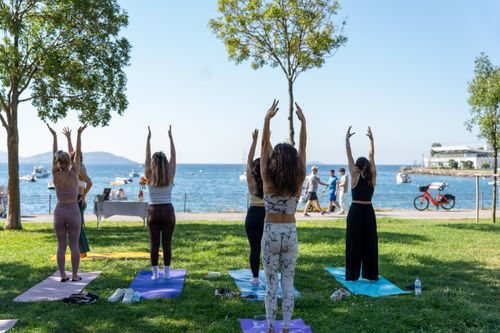
Why Trying New Activities Is Good for Your Confidence
When was the last time you did something for the first time?
Not another task on your to-do list or something you already knew you were good at. Something new that made you curious, excited, or maybe even a little nervous.
It's easy to settle into familiar routines. We stick with what we know, choose activities we're comfortable with, and sometimes convince ourselves that certain experiences just aren't for us.
But trying something new can do more than break up your routine. It can help you build confidence, discover new interests, and learn to trust yourself in unfamiliar situations.
And you don't have to conquer a major fear or completely reinvent your life to experience the benefits. Sometimes, confidence starts with simply showing up.
1. You Learn to Be Comfortable Being a Beginner
One of the biggest reasons we avoid new experiences is the fear of looking inexperienced. We worry about making mistakes, feeling awkward, or being the only person who doesn't know what they're doing.
But being a beginner isn't a weakness. It's part of learning.
Whether you're taking your first dance class, trying a new fitness routine, learning to kayak, or exploring a creative hobby, you have to give yourself room to figure things out.
Each time you do, you're practicing something valuable: allowing yourself to learn without expecting perfection.
You begin to realize that you can feel uncertain and still participate. You can make mistakes without letting them define you. And you can try something without needing to be immediately good at it.
Confidence doesn't always come before the experience. Sometimes, it develops because you were willing to try.
2. You Build Trust in Yourself
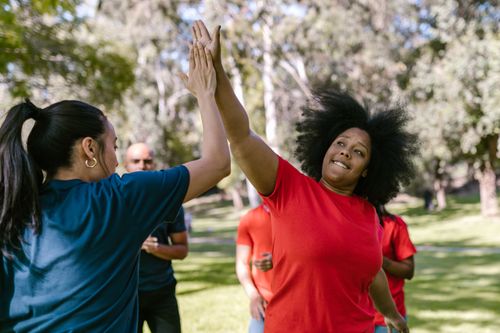
Self-confidence isn't just about how you look or how you present yourself to others. It's also about trusting your ability to make decisions, navigate unfamiliar situations, and handle challenges.
Trying new activities gives you opportunities to practice those skills.
Maybe you sign up for a class even though you don't know anyone. Perhaps you plan a solo outing instead of waiting for someone else to be available. Or you finally try an activity you've been talking yourself out of for months.
When you follow through, you give yourself evidence that you can take action even when the outcome isn't guaranteed.
Over time, those experiences can make it easier to pursue other goals, speak up for yourself, and make decisions based on what you genuinely want rather than what feels safest.
And here's something worth remembering: you don't have to love every experience for it to be worthwhile.
Discovering that an activity isn't for you can be just as valuable as finding a new passion. Both outcomes teach you something about yourself.
3. You Discover New Sides of Yourself
It's easy to define yourself by your current routines, responsibilities, and interests. But how much of your identity comes from what you genuinely enjoy, and how much comes from simply doing what you've always done?
Exploring new activities gives you a chance to find out.
You might discover that you love being outdoors, enjoy a competitive challenge, have a creative side you rarely use, or feel energized by experiences that introduce you to new people.
You may even discover interests you never considered before because they didn't fit the version of yourself you were used to.
That's part of personal growth.
You're not only a professional, a partner, a mother, a caregiver, or the person everyone relies on. You're also an individual with curiosity, interests, and room to grow.
You deserve opportunities to explore those parts of yourself, too.
4. You Bring More Enjoyment Into Your Life
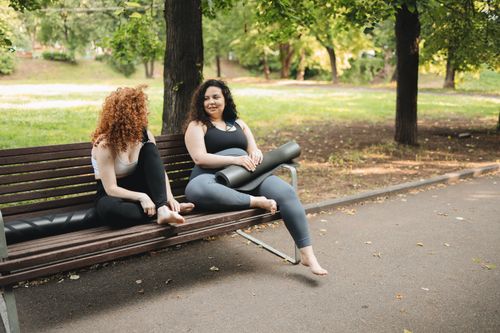
Routines can be helpful. They create structure and make everyday responsibilities easier to manage. But when every week starts to feel like a repeat of the last, doing something different can be refreshing.
Trying a new activity gives you something to look forward to and a reason to be present in the moment.
And it doesn't have to involve an expensive vacation or an elaborate plan. You could explore a new hiking trail, take a pottery class, visit a museum, try a recreational sport, or plan an adventure you've always been curious about.
The goal isn't to fill every free moment with activities. It's to make room for experiences that bring you enjoyment, challenge you in a healthy way, or help you feel more connected to life outside your usual responsibilities.
Wellness isn't only about the habits you maintain. It's also about creating a life you enjoy experiencing.
5. You Create Opportunities for Meaningful Connections
Trying something new can also help you meet people and strengthen existing relationships.
A group fitness class, creative workshop, outdoor excursion, or recreational league can introduce you to people who share your interests or are exploring something similar.
You don't have to arrive with a group of friends or know exactly what to expect. Sometimes, the shared experience of learning something new makes connecting with others feel more natural.
New activities can also give you and your friends or partner opportunities to create memories together rather than always defaulting to the same plans.
And if you prefer exploring independently, that's valuable, too. Learning to enjoy your own company can be an empowering experience in itself.
The important thing is giving yourself the opportunity to connect, explore, and discover what works for you.
How to Start Trying New Activities Without Overthinking It
If it's been a while since you've done something new, you don't need an elaborate personal-growth plan. Start with something that genuinely interests you.
1. Make a list of things you've been curious about. Think about activities you've considered trying but never pursued. Don't worry about whether you're good at them or whether they fit your usual routine.
2. Choose something manageable. Consider your schedule, budget, and comfort level. A beginner-friendly class or local experience can be a great starting point.
3. Stop expecting perfection. You're there to experience something new, not prove yourself. Give yourself permission to learn as you go.
4. Try something on your own. If you're comfortable doing so, consider a solo outing or activity. You may discover that you enjoy exploring at your own pace.
5. Reflect on the experience. Did you enjoy it? Did it challenge you? Did you discover something about yourself? Use what you learn to decide what you'd like to try next.
You don't need to try something new every day or turn every experience into a lesson. Simply make room for occasional opportunities to explore beyond what's familiar.
The goal isn't to become a completely different person. It's to give yourself more opportunities to discover who you are and what you enjoy.
Make Room for More Adventure
At Elevate + Enrich, we believe wellness extends beyond workouts and daily routines. It's also about making space for experiences that support your confidence, personal growth, and enjoyment of life.
Sometimes, that means prioritizing movement and recovery. Other times, it means exploring a new interest, spending time outdoors, or saying yes to an experience that takes you beyond your usual routine.
That's one reason we love what our sister brand, Adult Play Adventures, is all about: inspiring adults to explore activities, try new experiences, and make more room for adventure.
Whether you're interested in outdoor excursions, recreational activities, or simply looking for something different to do, it can be a great place to find inspiration for your next experience.
Because life doesn't have to be all responsibilities and routines. You're allowed to have fun, explore your interests, and do things simply because they make you feel alive.
You don't have to wait until you're fearless or completely confident to get started.
Sometimes, the best way to build confidence is to give yourself permission to try.
Ready to explore something new? Visit Adult Play Adventures for inspiration to step outside your routine and discover your next adventure.